By Lana Kerr
“Maybe I’m just not interested in sex anymore.”
I’ve heard versions of that statement from women who are exhausted, frustrated, confused, or simply trying to make sense of changes in their intimate lives.
But here’s a question I think we should ask more often.
Do you genuinely have less desire, or has intimacy become uncomfortable?
Because those aren’t necessarily the same thing.
Low libido generally describes a decrease in sexual interest or desire. And desire naturally changes throughout life.
There is no universal number of times a woman should want sex, no required level of sexual activity, and no single definition of a satisfying intimate relationship.
The important question is whether a change is concerning or distressing to the individual.

Painful sex, on the other hand, is a symptom that deserves its own attention.
It can involve burning, tightness, irritation, discomfort at the vaginal entrance, or deeper pelvic pain. Causes may include hormonal changes, vaginal dryness, pelvic floor muscle dysfunction, infections, vulvar skin conditions, endometriosis, or other medical concerns.
And sometimes these two experiences become connected.
Think about it.
If something repeatedly causes discomfort, why would your body be eager to experience it again?
Anticipating pain can affect arousal and desire. Over time, a woman may begin to interpret her avoidance of sex as a loss of libido, when physical discomfort is playing a significant role.
That doesn’t mean every case of low desire is caused by pain. It means the distinction is worth exploring.
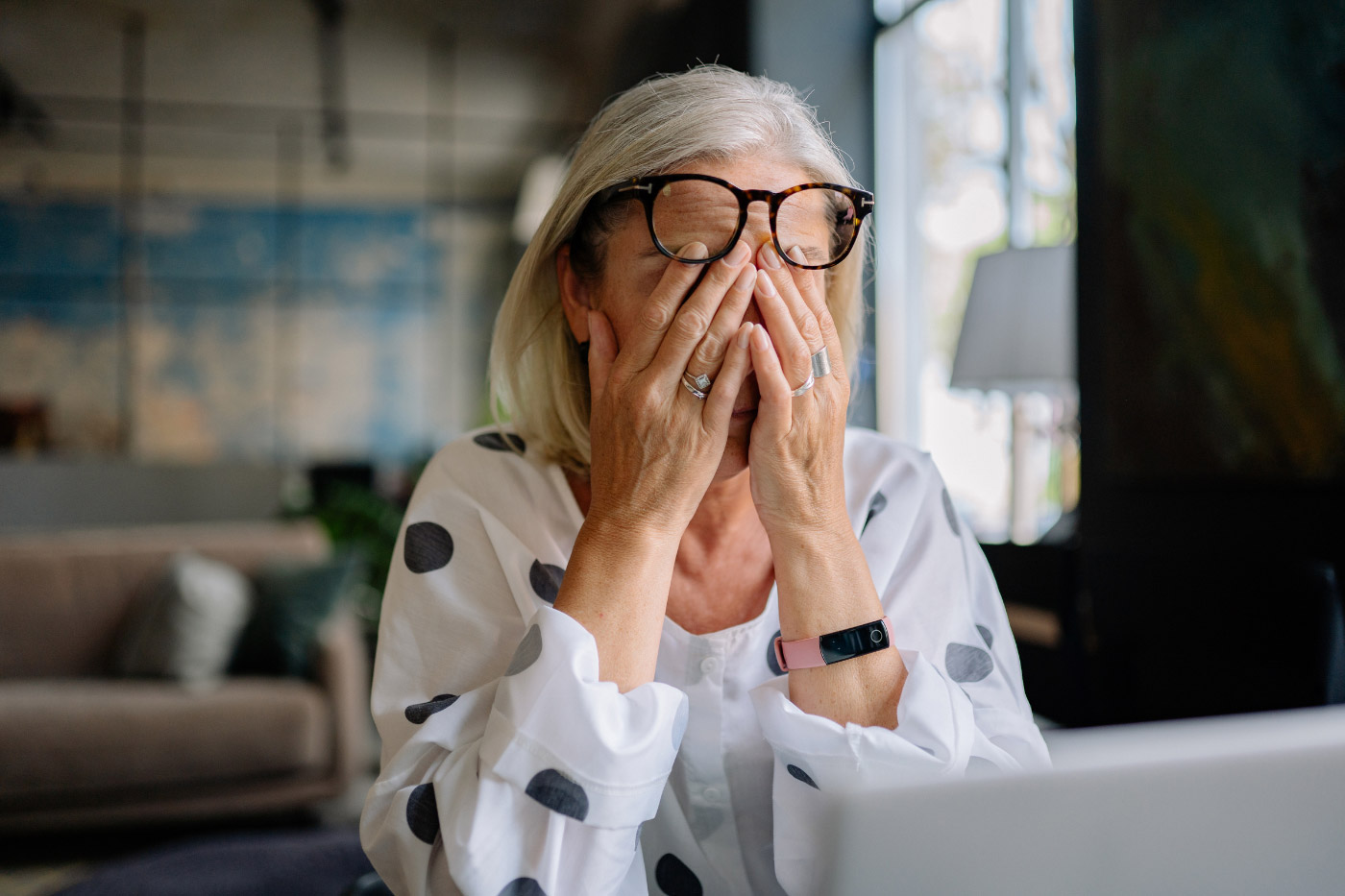
I worry about the number of women who assume their intimate lives are simply over because they’re getting older.
We need to stop accepting that narrative.
A woman experiencing discomfort deserves to know that there are different ways to investigate and address it.
Depending on the cause, care may include lubricants, vaginal moisturizers, pelvic floor physical therapy, counseling, medication review, or hormonal and nonhormonal treatments recommended by a healthcare professional.
And if sex hurts, I want to be very clear: pushing through the pain is not the solution.
Your comfort matters.
Your boundaries matter.
Your desire matters.

I also believe we need to stop treating penetration as the only valid form of intimacy. Connection, touch, affection, pleasure, and closeness can take many forms.
Sometimes the most important first step isn’t trying to restore your old sex life. It’s creating space to understand what your body needs now.
And if you’re in a relationship, have the conversation.
Not with blame. Not with embarrassment. With honesty.
Explain what feels different. Describe what is uncomfortable. Talk about what still feels good. Seek support together when appropriate.
Aging doesn’t eliminate the need for intimacy, and changing bodies don’t eliminate the possibility of pleasure.
They may simply require a different kind of attention.
What I want women to take away is this: don’t diagnose yourself as uninterested, broken, or finished.
Ask questions.
Get information.
And give yourself permission to expect more from your care.

Continue the conversation: Join the HERgevity™ movement through my book, HERgevity™, and follow me on Instagram as we talk openly about desire, discomfort, relationships, and what women deserve from their intimate health.