
By Lana Kerr
I have a question for you.
How is it possible that women can spend decades living in their bodies, having relationships, raising families, visiting doctors, and making important health decisions without always knowing the correct names for their own anatomy?
Somehow, we’ve made intimate anatomy so uncomfortable to discuss that even the most basic terminology gets lost.
Let’s change that.
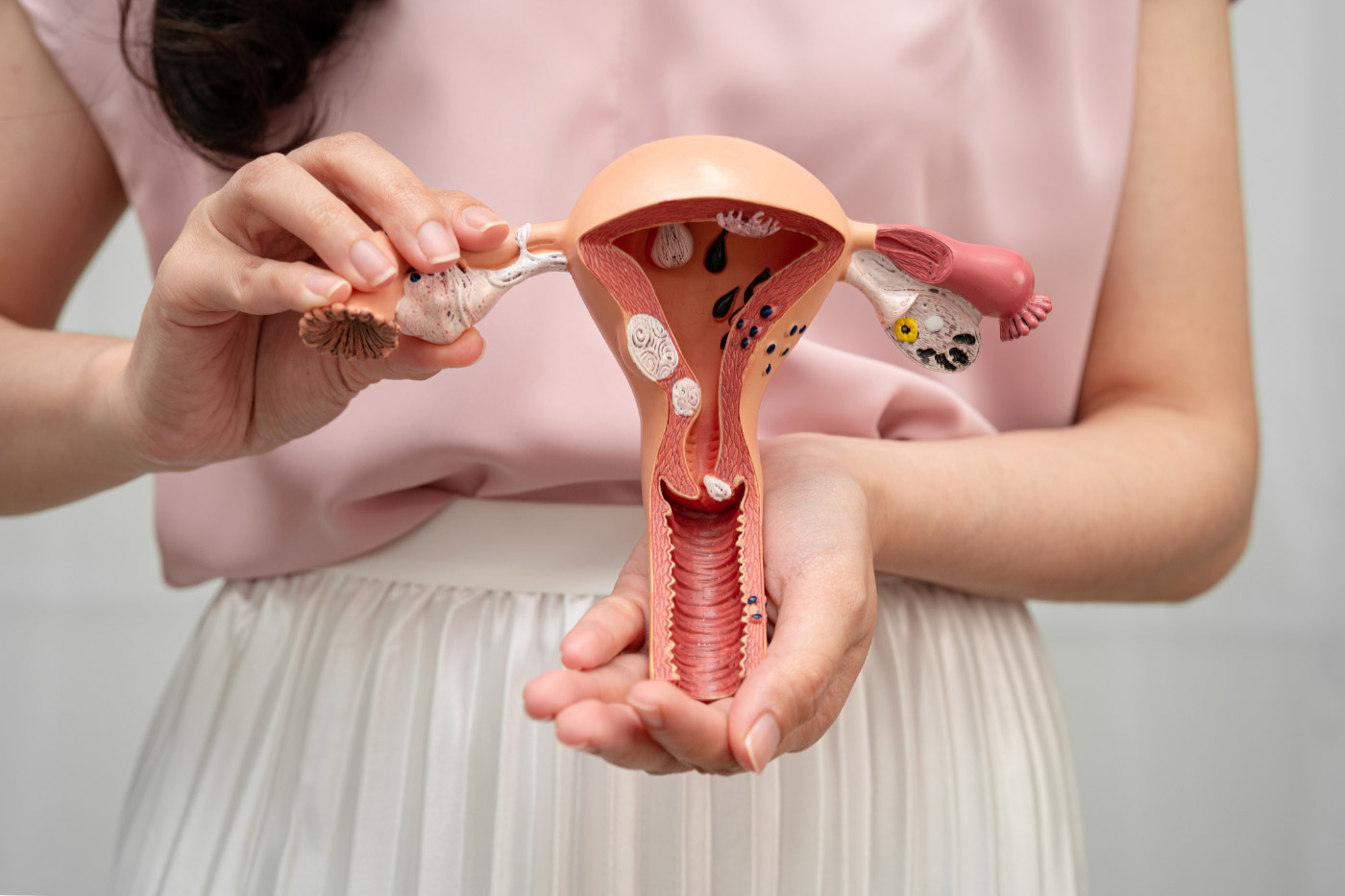
Your vulva and your vagina are not the same thing.
The vulva refers to the external genital structures. This includes the labia majora, labia minora, clitoris, clitoral hood, and the area surrounding the vaginal and urethral openings.
The vagina is the internal muscular canal that extends from the vaginal opening to the cervix.
It’s a relatively simple distinction, but an important one.
When a woman tells her doctor that she’s experiencing vaginal dryness, is she referring to discomfort inside the vaginal canal? Or is she experiencing irritation, sensitivity, or dryness on the external vulvar skin?
Those symptoms can have different causes and require different approaches to care.
And yet we often use one word to describe everything.
I believe language matters, especially when we’re talking about our health.

Knowing your anatomy helps you describe symptoms more accurately, understand which products belong where, and recognize changes that deserve medical attention.
It also helps us move away from the idea that our intimate anatomy is something mysterious or shameful.
Consider the clitoris. Many people know only the small external portion, called the glans. But the clitoris is a much larger structure, with internal components that extend around the vaginal area. It plays a central role in sexual pleasure and arousal.
Then there are the labia, which come in different shapes, sizes, colors, and degrees of symmetry. There is no single appearance that defines a healthy vulva.
I wish more women understood that.

We’ve allowed unrealistic beauty standards to influence nearly every part of the female body. Intimate anatomy shouldn’t be another place where women feel pressured to measure themselves against an imaginary ideal.
Health is not about looking a certain way.
It’s about understanding what’s normal for you, recognizing when something changes, and knowing how to care for yourself appropriately.
The vagina has its own protective environment and generally does not require internal cleansing. Douching and fragranced products can disrupt its natural balance.
The vulva, meanwhile, benefits from gentle external care. Harsh soaps, perfumes, and unnecessary products can irritate delicate skin.
This distinction is also essential when choosing intimate skincare. A product designed for external vulvar skin is not automatically appropriate for internal vaginal use.
That’s one reason I believe education must come before marketing.

Women deserve to know what they’re putting on their bodies, where a product belongs, and what it is actually designed to do.
The more we understand our anatomy, the more confidently we can advocate for our health.
And that confidence is powerful.
Because no woman should have to whisper when she’s talking about her own body.

Continue the conversation: Follow me on Instagram for more honest conversations about intimate anatomy, self-care, and women’s sexual wellness. It’s time we became as comfortable talking about our intimate health as we are talking about our skincare.