
By Lana Kerr
Let’s talk about something that should be simple but somehow becomes unnecessarily confusing: intimate moisture.
Walk into a pharmacy, search online, or browse a wellness store, and you’ll find an overwhelming selection of intimate products.
Lubricants. Moisturizers. Hydrating gels. Intimate skincare.
They can sound interchangeable.
They’re not.
And understanding the difference can make a meaningful impact on how a woman approaches intimate comfort.

A lubricant is primarily designed to reduce friction during sexual activity.
Think of it as something used when needed to make contact or penetration more comfortable.
Water-based lubricants are widely available and generally compatible with condoms and many intimate products, although some may need to be reapplied. Silicone-based lubricants often last longer and can be particularly helpful when additional glide is needed.
Oil-based lubricants, however, can weaken latex condoms, so product compatibility matters.
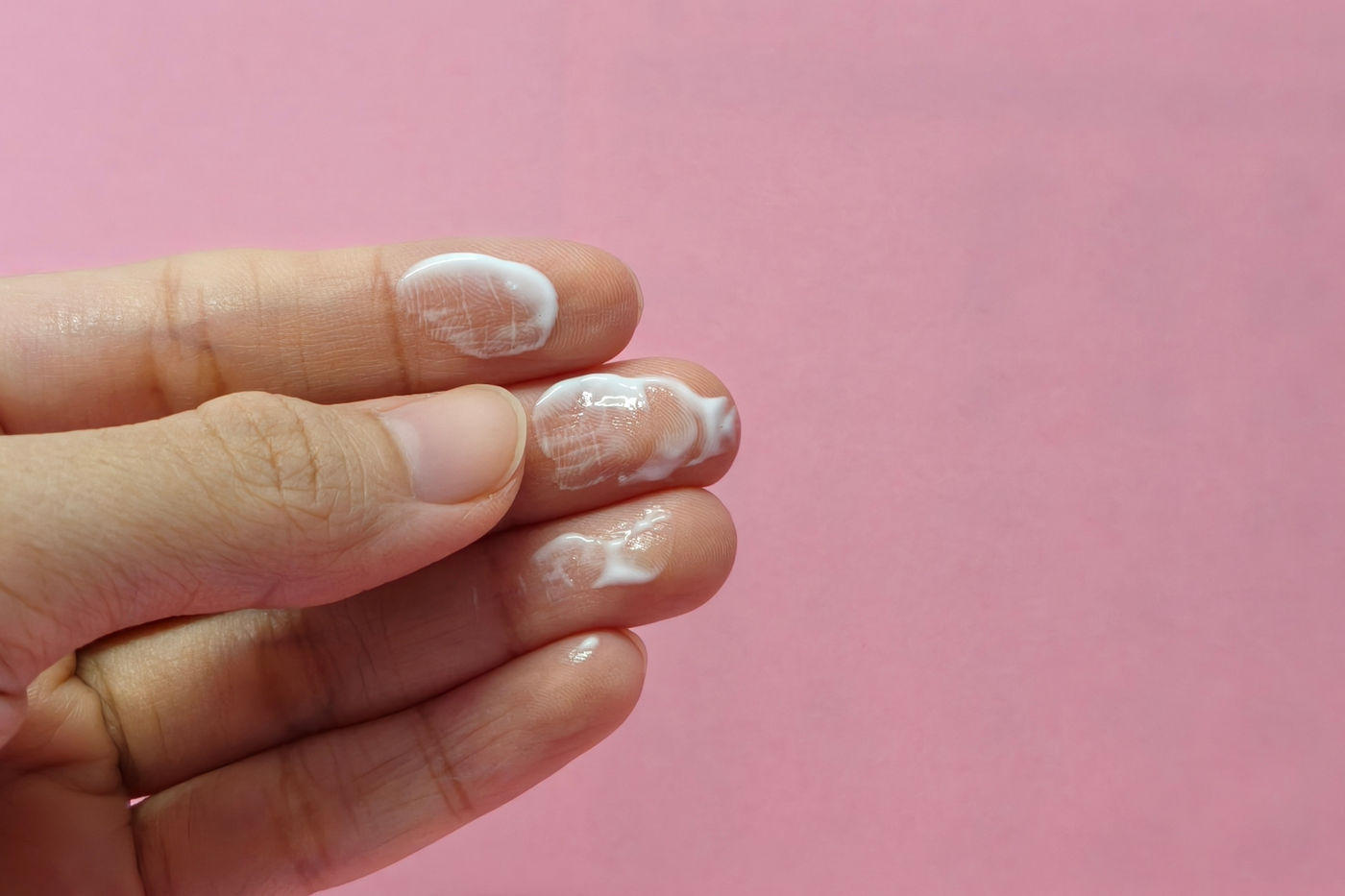
A vaginal moisturizer serves a different purpose.
It is generally intended for regular use, rather than only during sexual activity, to help manage ongoing vaginal dryness.
Some products are used several times per week, depending on their formulation and instructions.
The distinction is important because dryness doesn’t always happen only when a woman is intimate with a partner.
It can affect everyday comfort.
A woman might experience irritation while walking, exercising, sitting, or wearing certain clothing. She may notice changes during perimenopause, menopause, breastfeeding, or after particular medical treatments.
These are real concerns.
And they deserve more than a quick suggestion to use a lubricant.
Now there’s another category I want women to understand: external intimate skincare.
The vulva is made up of delicate external tissues. Products developed for external intimate use may be formulated to support skin hydration, softness, and comfort.
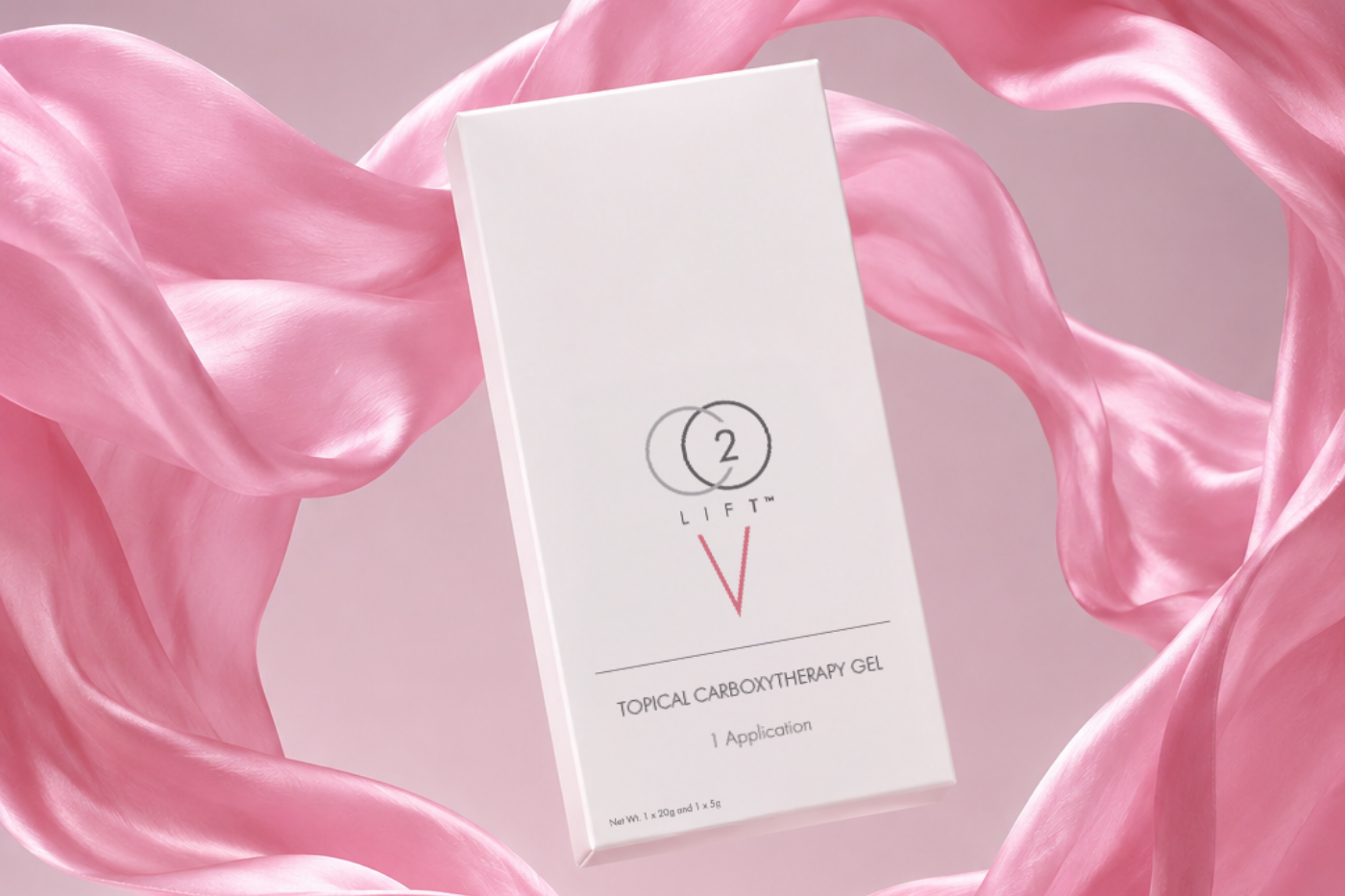
That’s where CO2Lift® V enters the conversation.
CO2Lift® V is a hormone-free topical carboxytherapy gel formulated for external intimate skin. It is designed to support hydration and the condition of delicate skin as part of an intimate self-care routine.
It is not a lubricant, an internal vaginal moisturizer, or a substitute for medical treatment of vaginal dryness or painful sex.
That distinction is important to me because I believe women should be able to make informed decisions without having to decode exaggerated marketing language.
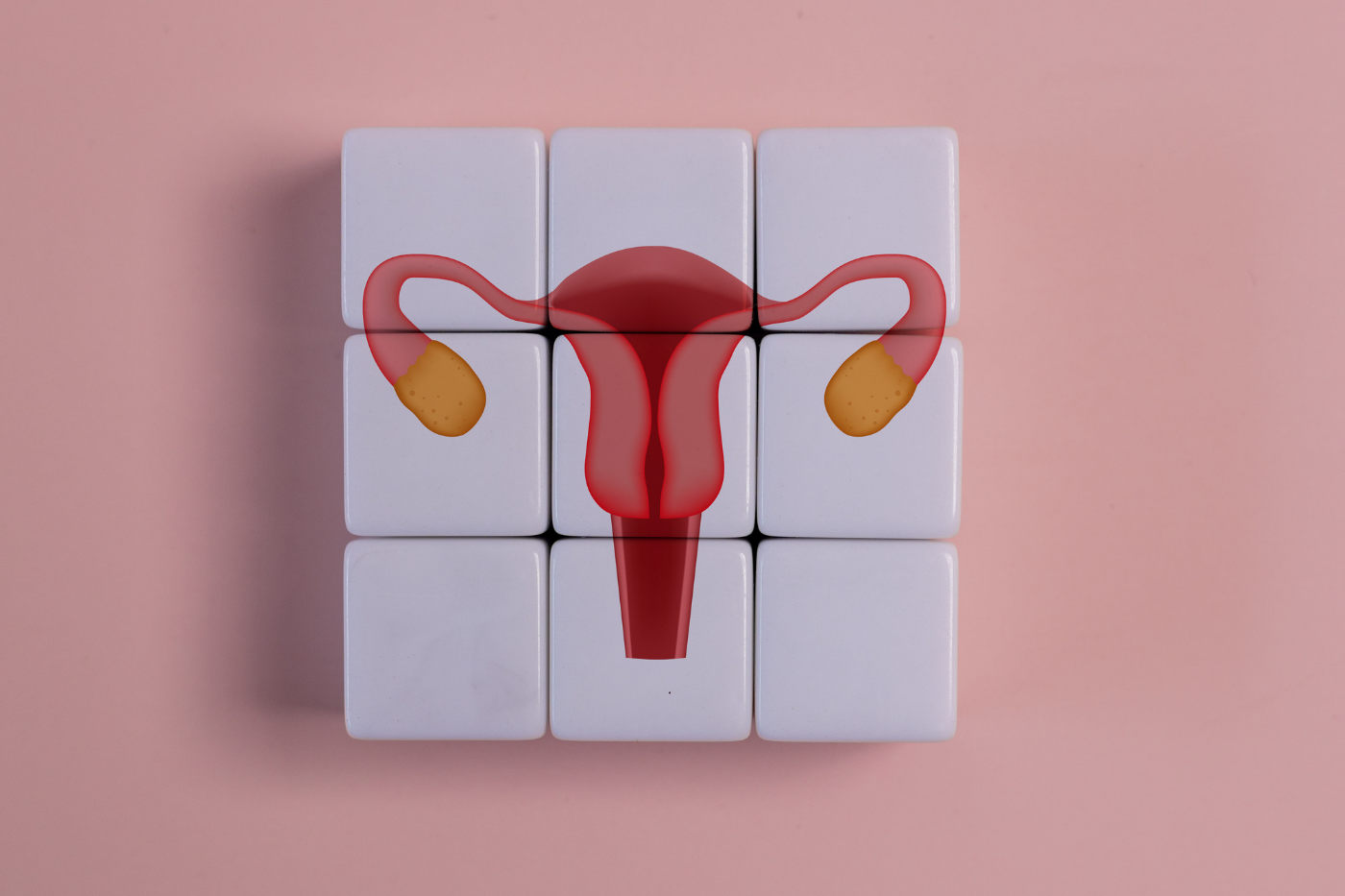
The right product depends on where you’re experiencing discomfort and what you’re trying to address.
If the issue is friction during intimacy, a lubricant may help.
If the concern is ongoing internal vaginal dryness, a vaginal moisturizer may be appropriate.
If you’re looking to care for the external intimate skin, products specifically formulated for that area may have a place in your routine.
And when symptoms are persistent, painful, or accompanied by unusual discharge, bleeding, or irritation, speak with a healthcare professional. Not every symptom is simply caused by menopause.
We have spent years developing detailed routines for our faces, hair, and bodies.
I think it’s time we approach intimate care with the same curiosity and education.
Not because women need another complicated beauty routine.
But because understanding our bodies gives us more control over how we care for them.
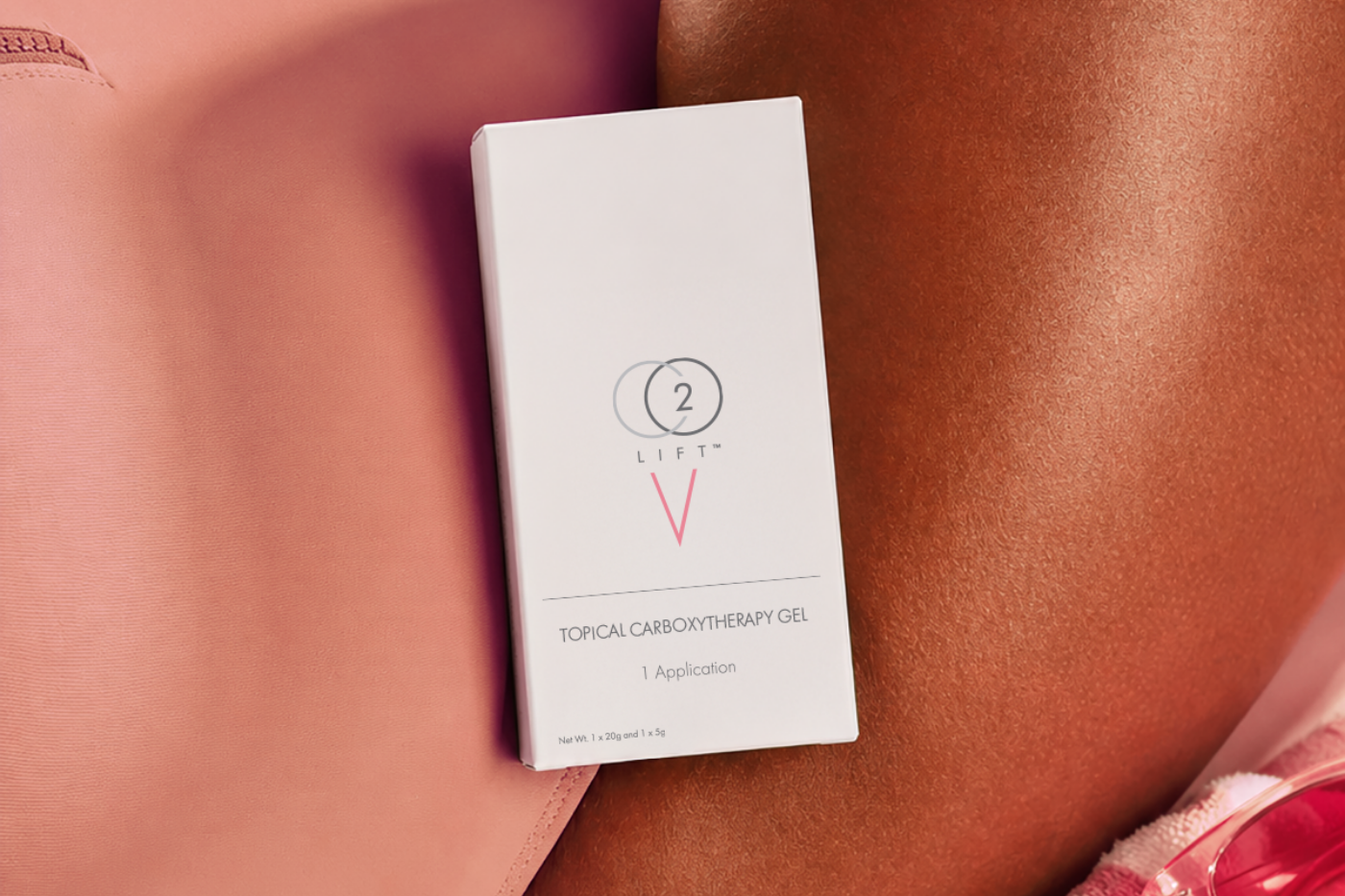
Explore intimate self-care: Learn more about CO2Lift® V at CO2Lift.com, and follow me on Instagram for honest, science-informed conversations about women’s intimate wellness.