By Lana Kerr
We spend an extraordinary amount of time talking about male sexual performance.
Circulation. Function. Hormones. Treatments. There is an entire industry built around understanding what helps men maintain their sexual health.
Now let me ask you something.
When was the last time you heard someone talk seriously about clitoral health?
Exactly.
The clitoris is one of the most important structures involved in female sexual pleasure. Yet conversations about its anatomy and function remain surprisingly limited.
Let’s start with the science.
The clitoris contains erectile tissue and an extensive network of nerves and blood vessels. During sexual arousal, increased blood flow contributes to engorgement and changes in sensitivity.
In other words, circulation is part of the body’s natural sexual response.
And it isn’t something we should be embarrassed to discuss.
But blood flow is only one part of the picture.
Female arousal is influenced by hormones, neurological signaling, emotional connection, mental health, medications, physical comfort, and the context in which intimacy occurs.
It is not a simple mechanical process.
A woman can feel mentally interested in sex without experiencing the same level of physical arousal. She can also experience a physical response without necessarily feeling desire.
Understanding that distinction matters, particularly as women move through different stages of life.
During perimenopause and menopause, hormonal changes may affect genital tissue health, lubrication, and comfort. Certain medications, including some antidepressants, can influence sexual response as well.
Stress, fatigue, and relationship dynamics may play important roles.
And sometimes changes in sensation or arousal deserve a medical evaluation rather than another recommendation to relax.

I want women to feel empowered to say, “Something feels different, and I want to understand why.”
That is not vanity.
That is healthcare.
Another important point is that female sexual pleasure should never be reduced to penetration. For many women, direct or indirect clitoral stimulation is an essential part of sexual satisfaction.
But we rarely receive meaningful education about this.
Instead, women can spend years questioning their own bodies because their experiences don’t match what they’ve been told sex is supposed to look like.
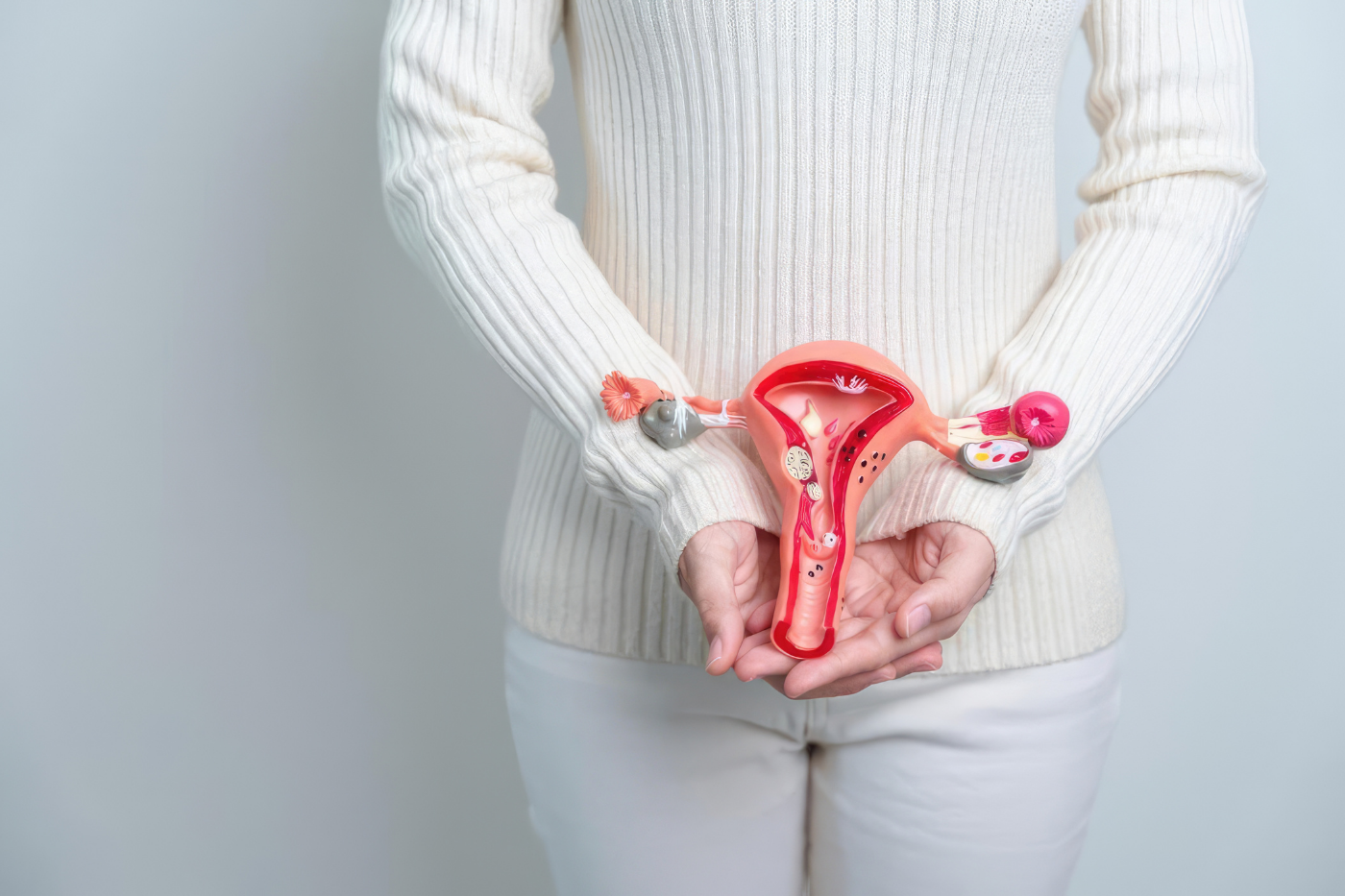
I believe we need to replace those assumptions with education.
If arousal or sensation has changed, start by looking at the whole picture. Is intimacy uncomfortable? Are you experiencing dryness? Have you started a new medication? Has your sleep changed? Are you dealing with hormonal symptoms?
A knowledgeable healthcare professional can help identify possible causes and discuss appropriate options.
And while circulation is central to normal clitoral physiology, we should be careful not to assume that every product claiming to improve blood flow will improve sexual sensation or orgasm. Those outcomes require their own clinical evidence.
Women deserve meaningful information, not exaggerated promises.
Because understanding female pleasure is not indulgent.
It’s part of understanding female health.
I created HERgevity™ around the belief that women deserve a more complete conversation about longevity. One that recognizes the connection between our physical well-being, confidence, relationships, and intimate lives.
We shouldn’t have to choose between being healthy and feeling fully alive.

Continue the conversation: Join the HERgevity™ movement through my book, HERgevity™, and follow me on Instagram for more discussions about female pleasure, sexual health, and the science women deserve to understand.