By Lana Kerr
When we talk about breast cancer, we talk about survival.
And of course we should.
We talk about the diagnosis, the treatment, the surgeries, the emotional uncertainty, and the extraordinary resilience of women navigating one of the most challenging experiences of their lives.
But there’s a conversation that often gets left out.
What happens to intimacy afterward?
What happens when a woman survives cancer but finds that her relationship with her body has changed?
What happens when she wants to feel close to her partner, but physical intimacy has become uncomfortable? Or when she looks in the mirror and sees a body that has carried her through something extraordinary, yet still feels unfamiliar?
These questions matter.
They are not superficial, and they are certainly not inappropriate.

Breast cancer treatments can affect sexual health in several ways. Chemotherapy and some endocrine treatments can contribute to hormonal changes. Surgery can affect body image and physical sensation. Fatigue, anxiety, changes in desire, and vaginal dryness may also affect intimacy.
For some women, treatment can cause or accelerate menopause-related symptoms, including changes in vaginal and vulvar tissue health.
And while the medical focus is understandably on treating the cancer and reducing the risk of recurrence, sexual well-being can become an afterthought.
I want to challenge that.
Because surviving is the priority, but quality of life matters, too.
A woman should be able to tell her oncologist, gynecologist, or healthcare team that intimacy is painful, that she feels disconnected from her body, or that she’s struggling with changes in desire.
And she deserves to have those concerns taken seriously.
There are supportive options that may help, depending on the symptoms and treatment history.
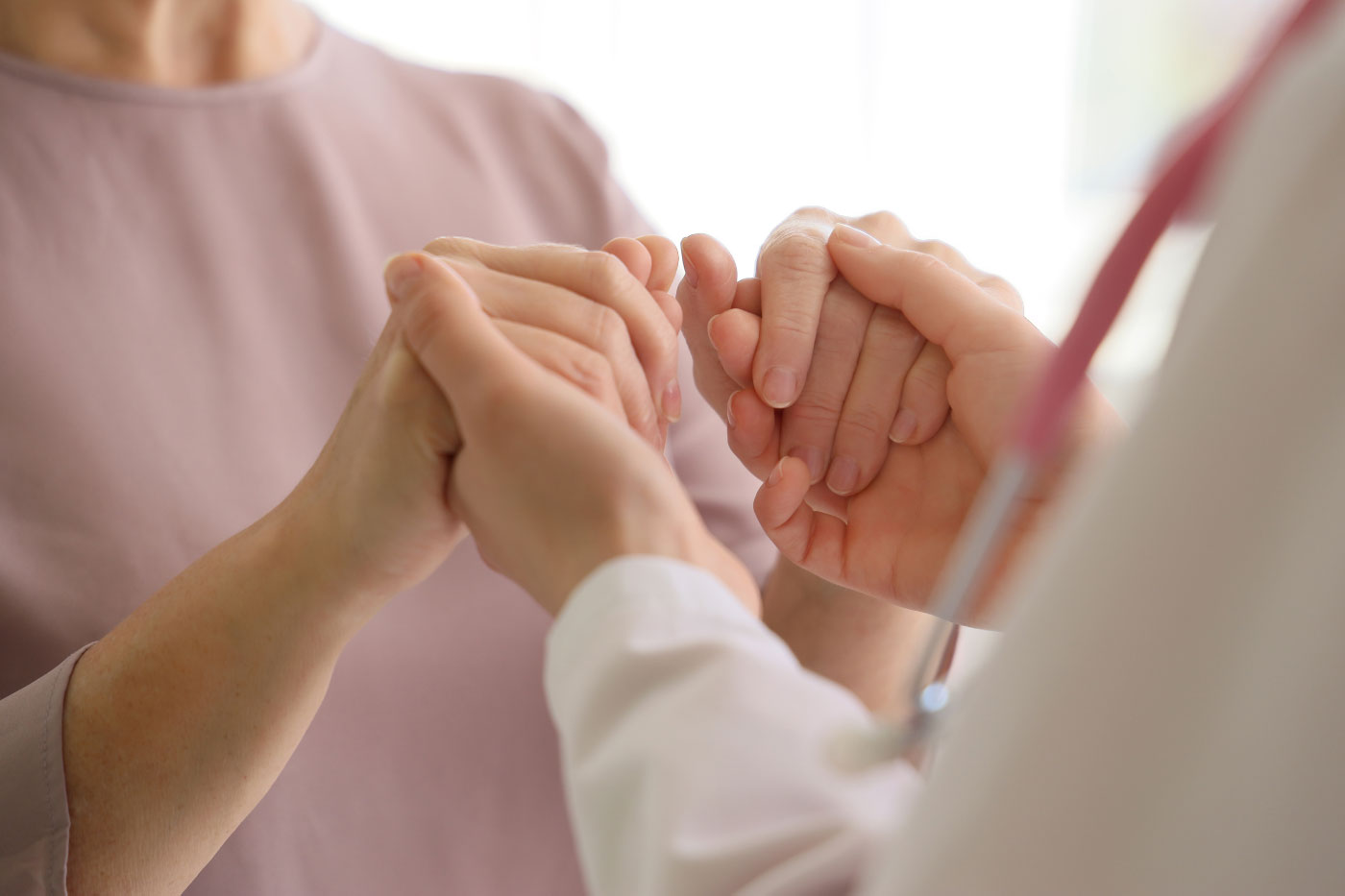
Nonhormonal vaginal moisturizers and lubricants are often considered for dryness and friction. Pelvic floor physical therapy may help certain forms of discomfort. Sexual health counseling can support women and couples navigating changes in intimacy, body image, and emotional connection.
For more persistent symptoms, additional medical treatments may be discussed, but decisions involving vaginal hormones or other therapies require individualized consideration with the cancer care team.
This is particularly important for women with hormone-sensitive cancers.
I also believe we should recognize that intimate self-care extends beyond sexual activity.
For a woman recovering from cancer treatment, feeling comfortable in her own skin can be deeply meaningful.
However, an external intimate skincare product should never be mistaken for a treatment for cancer-related vaginal symptoms, and women receiving or recovering from cancer treatment should discuss new intimate products with their healthcare professionals.

I want women to know that there is no universal timeline for feeling ready for intimacy after cancer.
You do not owe anyone a return to the person you were before your diagnosis.
You are allowed to rediscover your body at your own pace.
You are allowed to want closeness without penetration.
You are allowed to feel uncertain.
And you are allowed to ask for help.
Partners also have a role to play. Listening without pressure, being patient, and understanding that emotional connection and physical intimacy may change are essential parts of supporting someone through recovery.
We need more conversations that acknowledge the whole woman, not simply the disease she has survived.
That’s part of what HERgevity™ means to me.
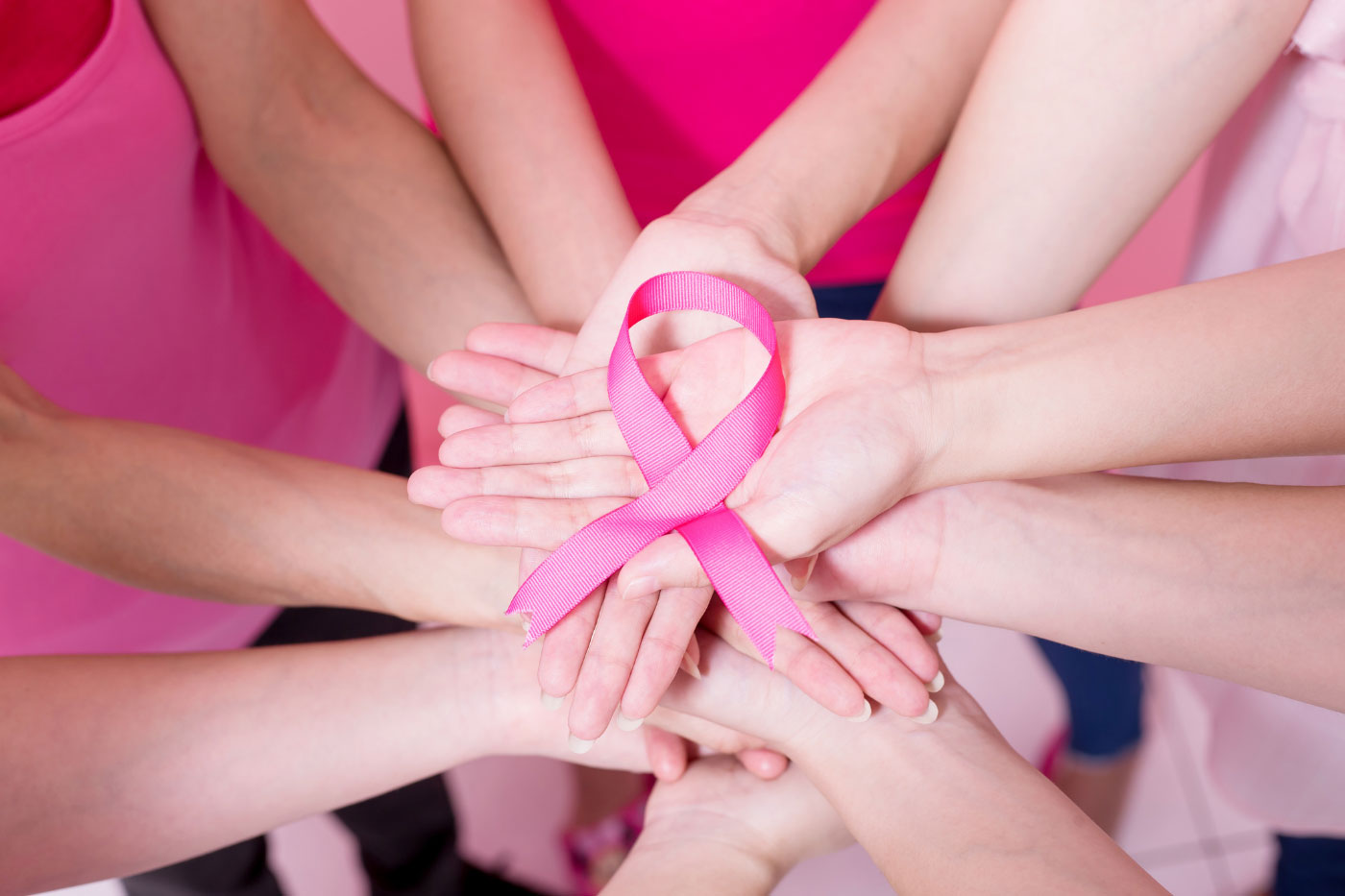
Health should never be measured only by how long we live. We should also be asking whether women feel supported, informed, connected, and comfortable in the lives they’re rebuilding.
Women who have faced breast cancer deserve compassion, choices, and a voice in every aspect of their well-being.
Including intimacy.
Especially intimacy.
Continue the conversation: Join me on Instagram and explore HERgevity™, where we’re creating more space for conversations about women’s health, resilience, intimacy, and living fully at every stage of life.