I was educated, doing well in business, and thought I was fairly well informed about my health. Then, in my 40s, I started noticing changes in my intimate health that I didn’t understand. Even though I was taking hormones, things felt different.
How could I know so much about running a business and so little about what was happening in my own body?
I’m 55 now, and I’ve been in menopause for five years. But I still remember how unprepared I felt. My relationship mattered to me. Feeling comfortable in my body mattered to me. I wanted to understand what was changing and what I could do about it.
That is what led me to start asking questions. And the more women I spoke with, the more I realized I wasn’t alone.
What we weren’t told about menopause
We hear about hot flashes and night sweats. We hear jokes about mood swings and forgetting things. We hear much less about vaginal dryness, discomfort during sex, or what happens when intimacy starts to feel different.
Some older women I spoke with had accepted that this part of their lives was over. I couldn’t accept that for myself, and I wanted women to know they could ask for help.
Perimenopause, the years leading up to menopause, can bring fluctuating hormones and changes in periods, sleep, and how we feel. Natural menopause is reached after 12 consecutive months without a period when there is no other explanation. But that date doesn’t tell the whole story of a woman’s experience.
Declining estrogen can affect vaginal and vulvar tissue, contributing to dryness, burning, irritation, discomfort during sex, and urinary symptoms. Together, these changes are often called genitourinary syndrome of menopause, or GSM.
Many women have never heard that term. They just know something feels different, and they may not know how to bring it up.
The silence starts long before menopause
When I was getting married, my mother spoke openly about the importance of sex in marriage. Her advice was to give my husband food and sex every day if I wanted longevity in my marriage. 😊 That certainly stayed with me.That was her advice, and it certainly stayed with me.
But understanding that intimacy matters and understanding how to care for our bodies are two different things.
I believe these conversations need to begin much earlier, with how we teach our children about their bodies. Our daughters should know the words vulva, vagina, and clitoris, and understand that they describe different parts of their anatomy. Those words shouldn’t be embarrassing to say.
As children mature, we can talk respectfully and appropriately about sex, consent, comfort, and intimacy. We can acknowledge that physical affection and sex can be a healthy part of an adult relationship without sharing private details.
If we grow up unable to name a body part, how comfortable will we be telling a doctor that it hurts?
We have options, but we need the right conversation.

I want women to feel able to say, “Sex has started to hurt,” or “I’m dry and uncomfortable,” without apologizing.
Depending on the cause, care may include vaginal moisturizers, lubricants, vaginal estrogen or other prescription treatments. Pelvic floor physical therapy can also help when muscle problems contribute to pain. The right approach depends on your symptoms and medical history.
Persistent pain, itching, or irritation deserves an assessment. We shouldn’t assume every symptom is menopause or keep trying products without knowing what we’re treating.
I also want us to understand the difference between caring for external vulvar skin and treating a vaginal or medical condition. Intimate skincare has a purpose, but it doesn’t replace a diagnosis or treatment when those are needed.
We deserve to keep this part of our lives.
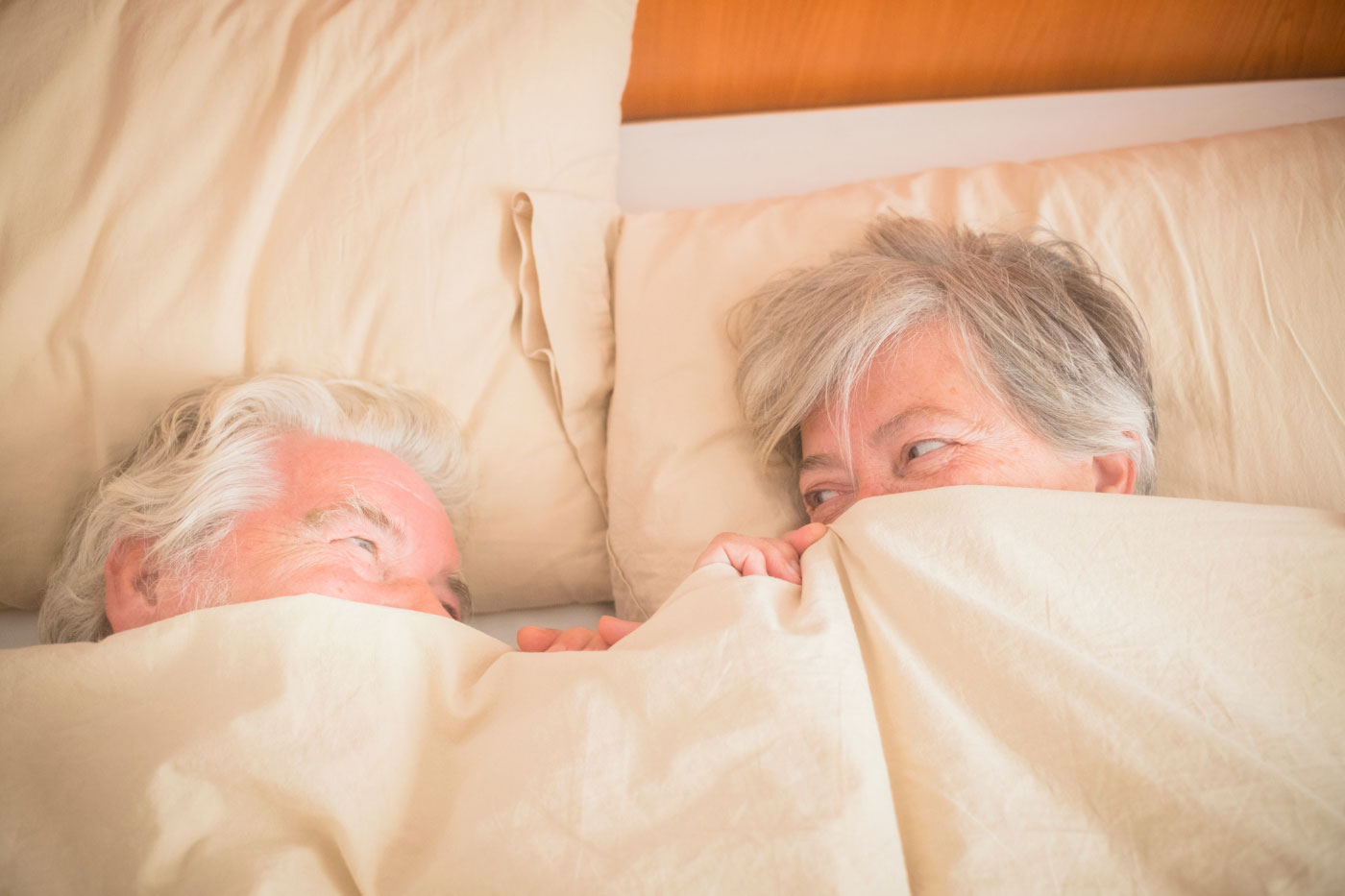
I want the option to enjoy intercourse in my 60s, 70s, and 80s, if that is what I want. I want other women to know they can want that too.
There is no obligation to have sex at any age. But a woman shouldn’t have to give up something she values because she was never told help might be available.
For me, intimacy belongs in the conversation about longevity. When we talk about living longer, I want us to ask how we’re feeling, whether we’re comfortable, and whether we can still enjoy the relationships and experiences that matter to us.
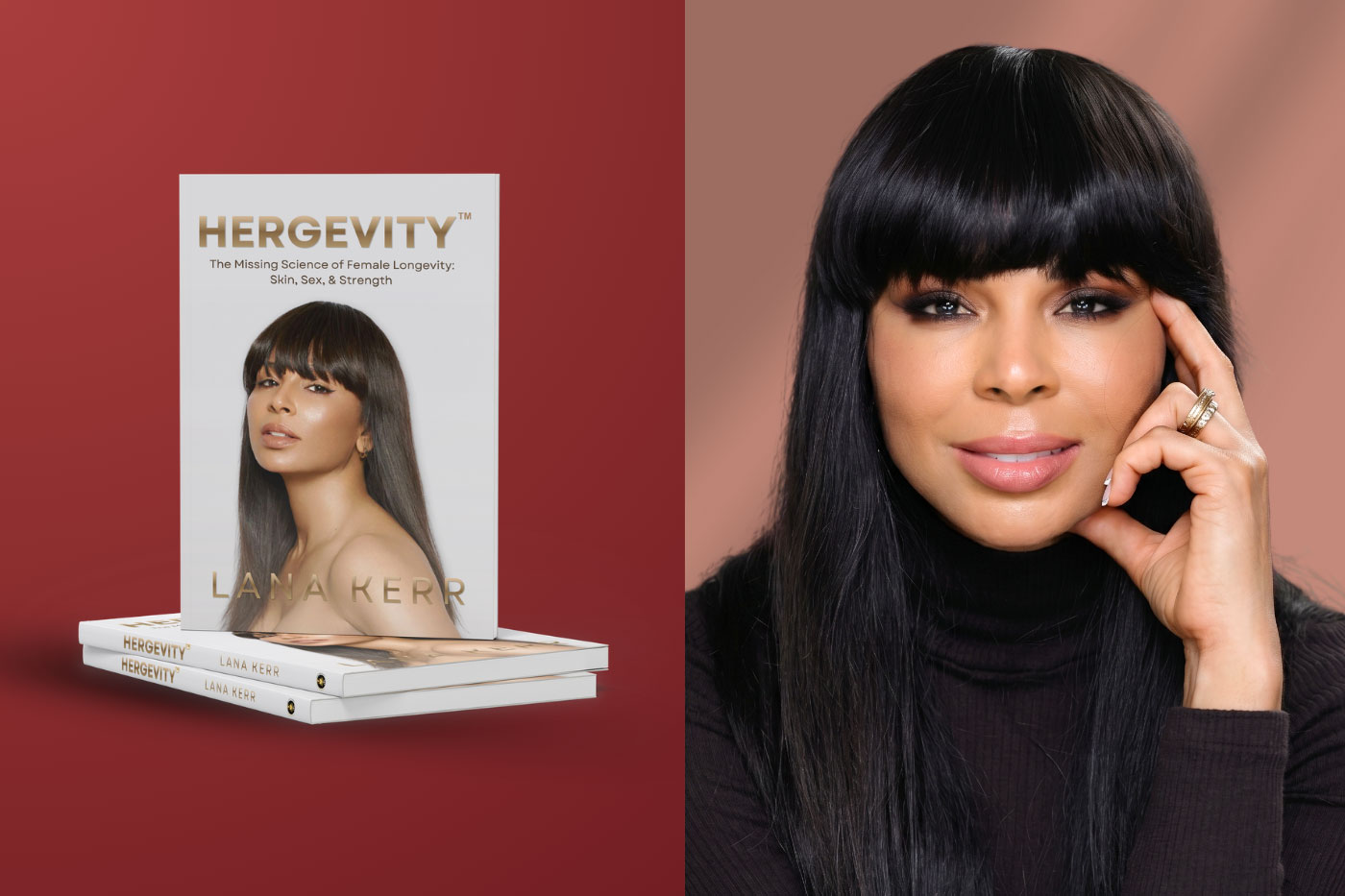
That is why I wrote HERgevity™. I wanted to bring attention to a part of women’s lives that too often gets left out.
I can’t change how little I knew in my 40s. But I can speak openly now, so another woman has the information sooner.
My book, HERgevity™, comes out October 22. Join the waitlist, and follow me on Instagram @thelanakerr as we keep talking about women’s health, aging, and intimacy.