By Lana Kerr
You’ve heard of hyperbaric oxygen therapy. But have you heard about using carbon dioxide in skincare?
Stay with me, because I know that sounds backward. We need oxygen. We breathe carbon dioxide out. So why would we put CO₂ on our skin?
The answer has to do with how our blood delivers oxygen to our tissues. That is what drew me to topical carboxytherapy and the technology behind CO2Lift®.
I want more women to understand it, because caring for our skin should include understanding what happens beneath the surface.
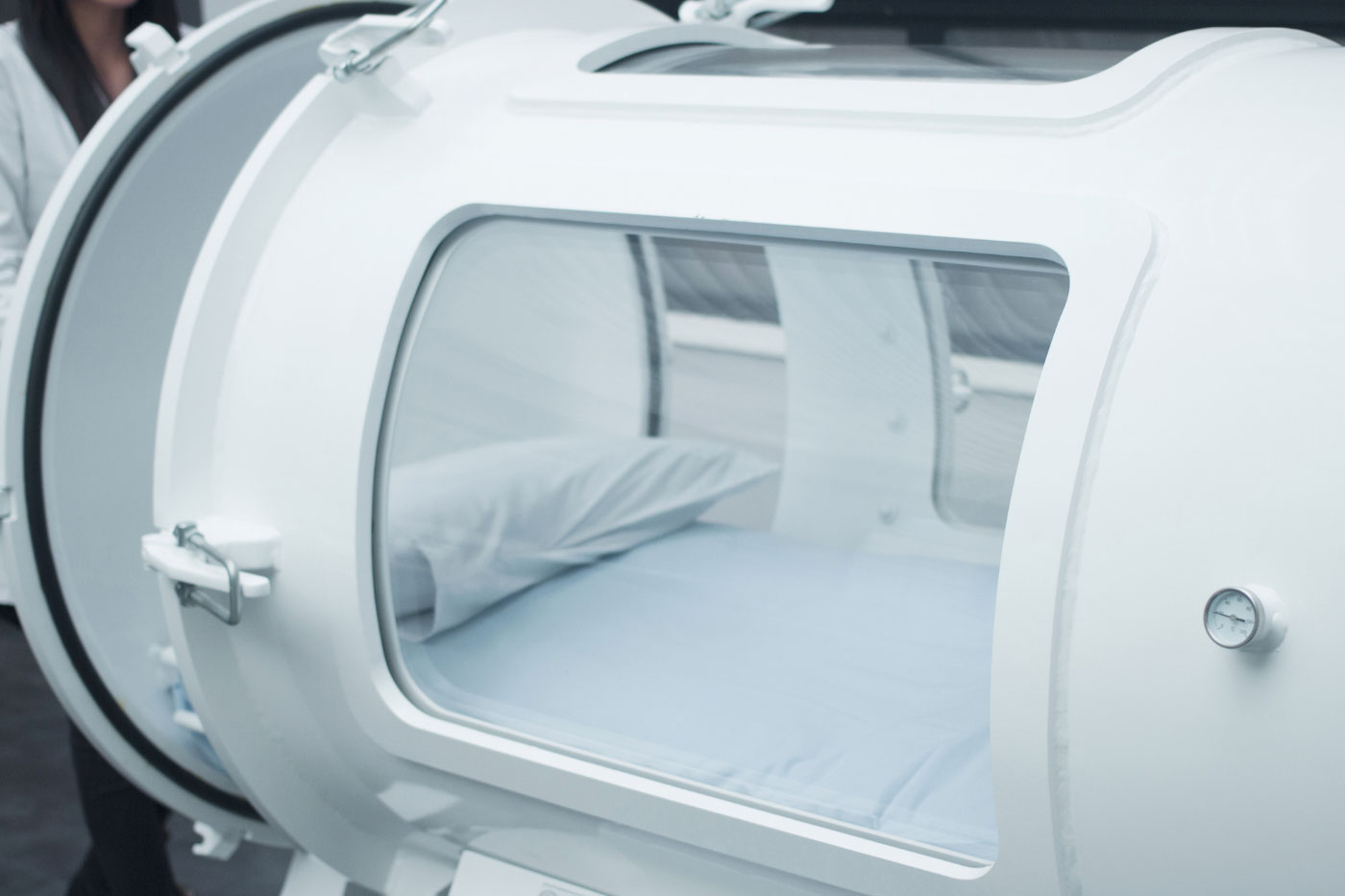
First, what does a hyperbaric chamber do?
During hyperbaric oxygen therapy, you breathe 100% oxygen inside a chamber with pressure higher than normal air pressure. This allows more oxygen to enter your bloodstream and reach your tissues. It is a medical treatment used for specific conditions.
Topical carboxytherapy takes a different approach. Rather than breathing oxygen in a chamber, you apply a formulation designed to deliver carbon dioxide through the skin.
The connection between the two is oxygen. But how they work, what they are used for, and the evidence behind them are different.
Why would carbon dioxide help with oxygen?
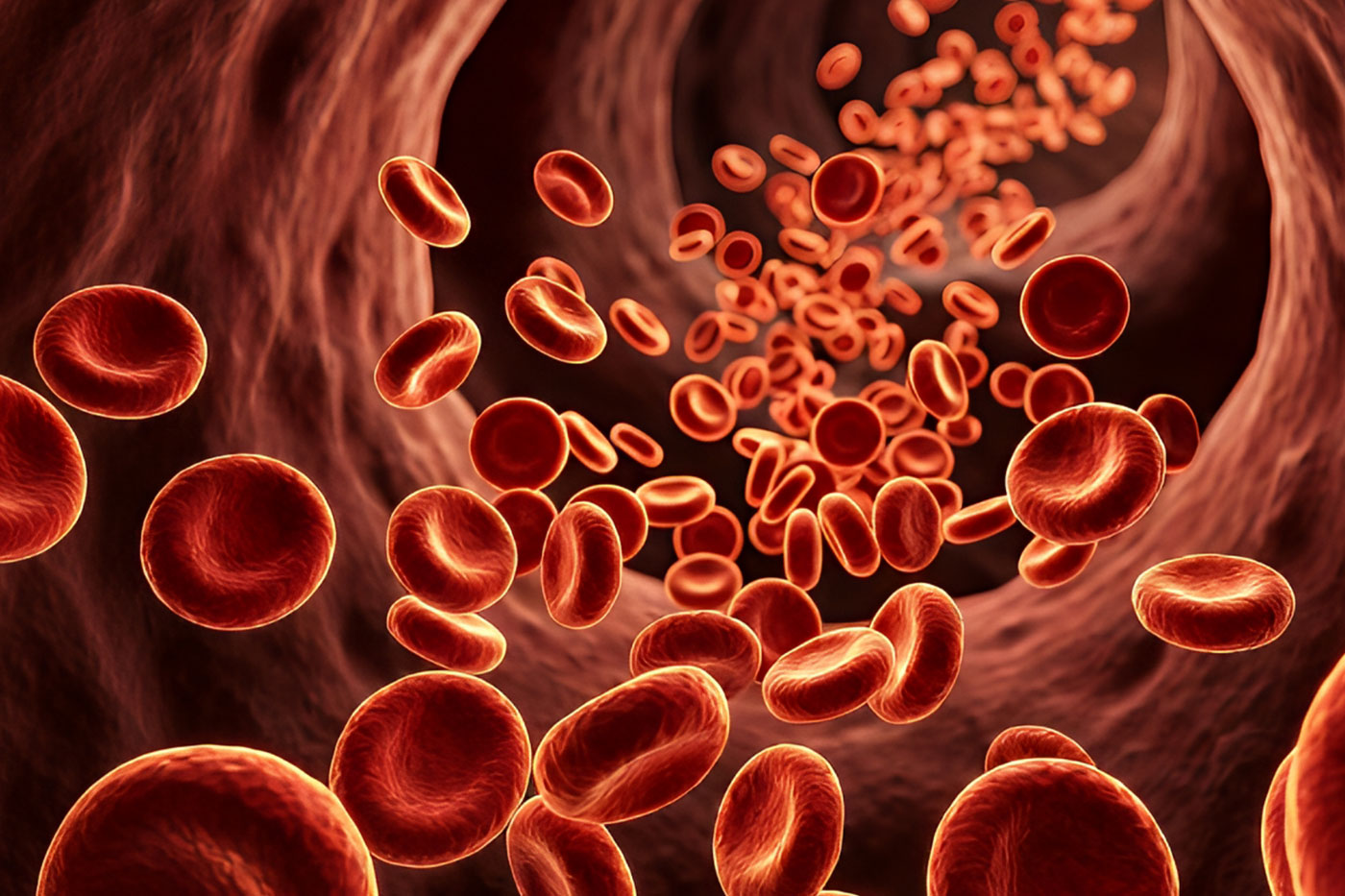
Your blood carries oxygen attached to a protein called hemoglobin. To reach the surrounding tissue, that oxygen has to be released.
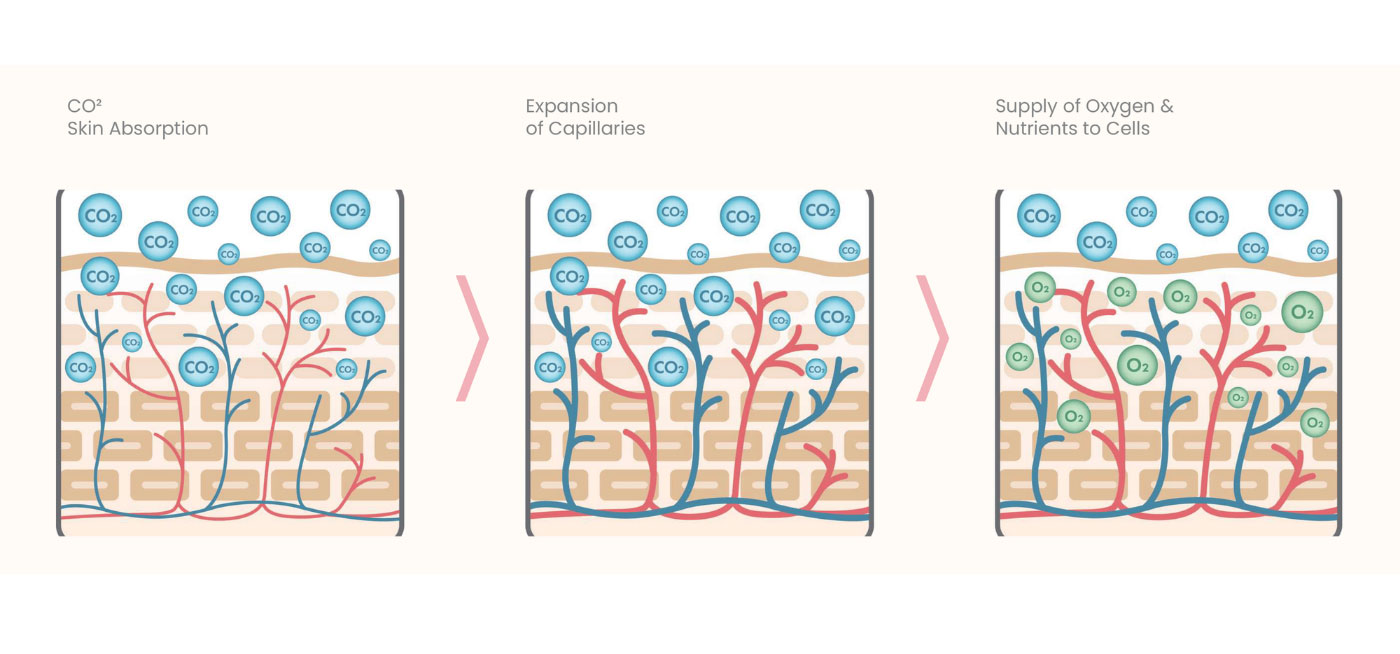
Carbon dioxide helps regulate that release. When local CO₂ levels rise and acidity increases, hemoglobin holds oxygen less tightly, allowing it to release oxygen more readily. This relationship is called the Bohr effect.
Put simply, carrying oxygen in the blood is only part of the process. Getting it into the tissue matters too.
That is the part I find so interesting. We hear plenty about oxygen, but much less about the role carbon dioxide plays in helping our bodies use it.

What is topical carboxytherapy?
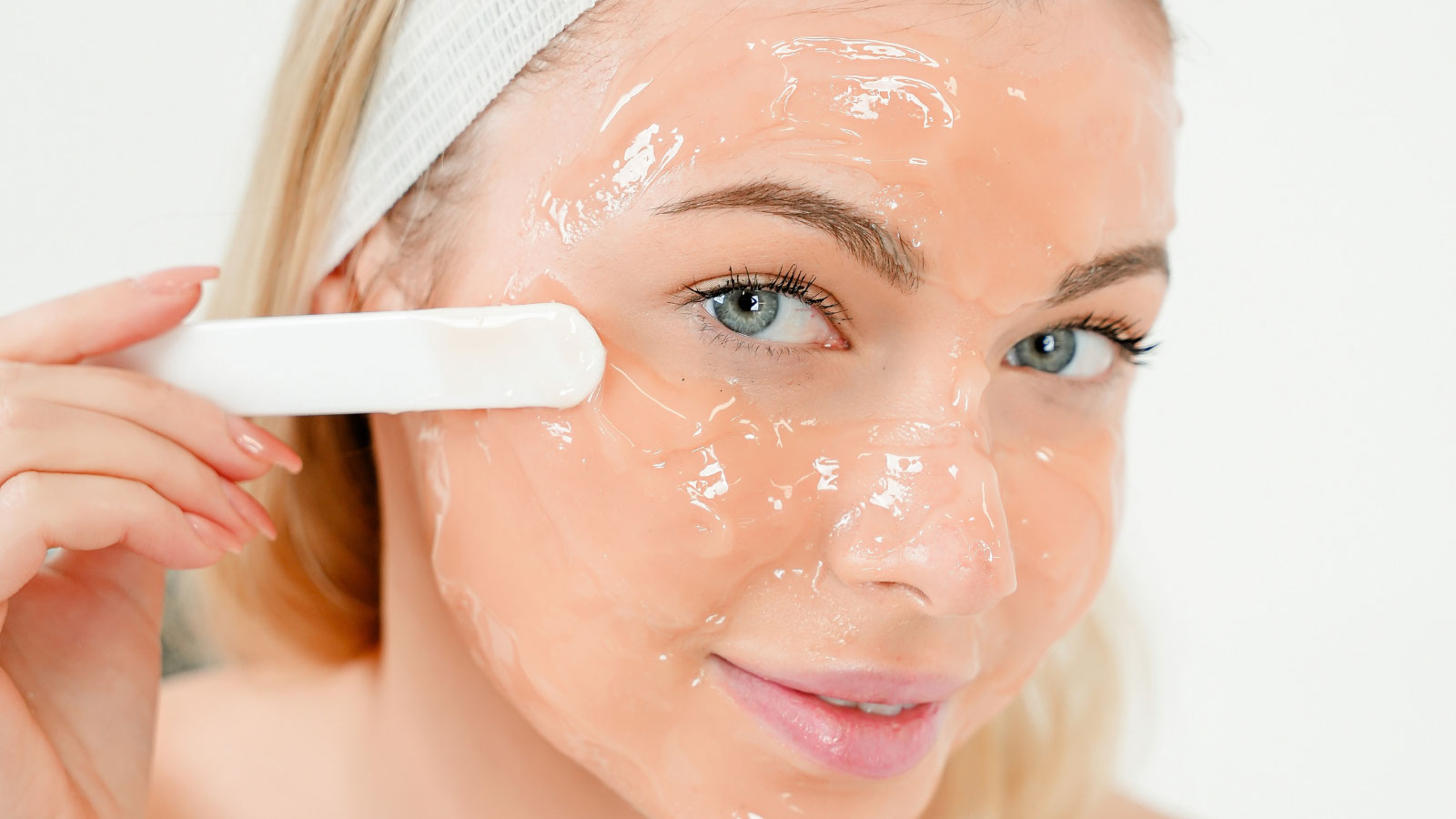
Carboxytherapy uses carbon dioxide. Some forms involve injections. Topical carboxytherapy delivers carbon dioxide through the skin without injections.
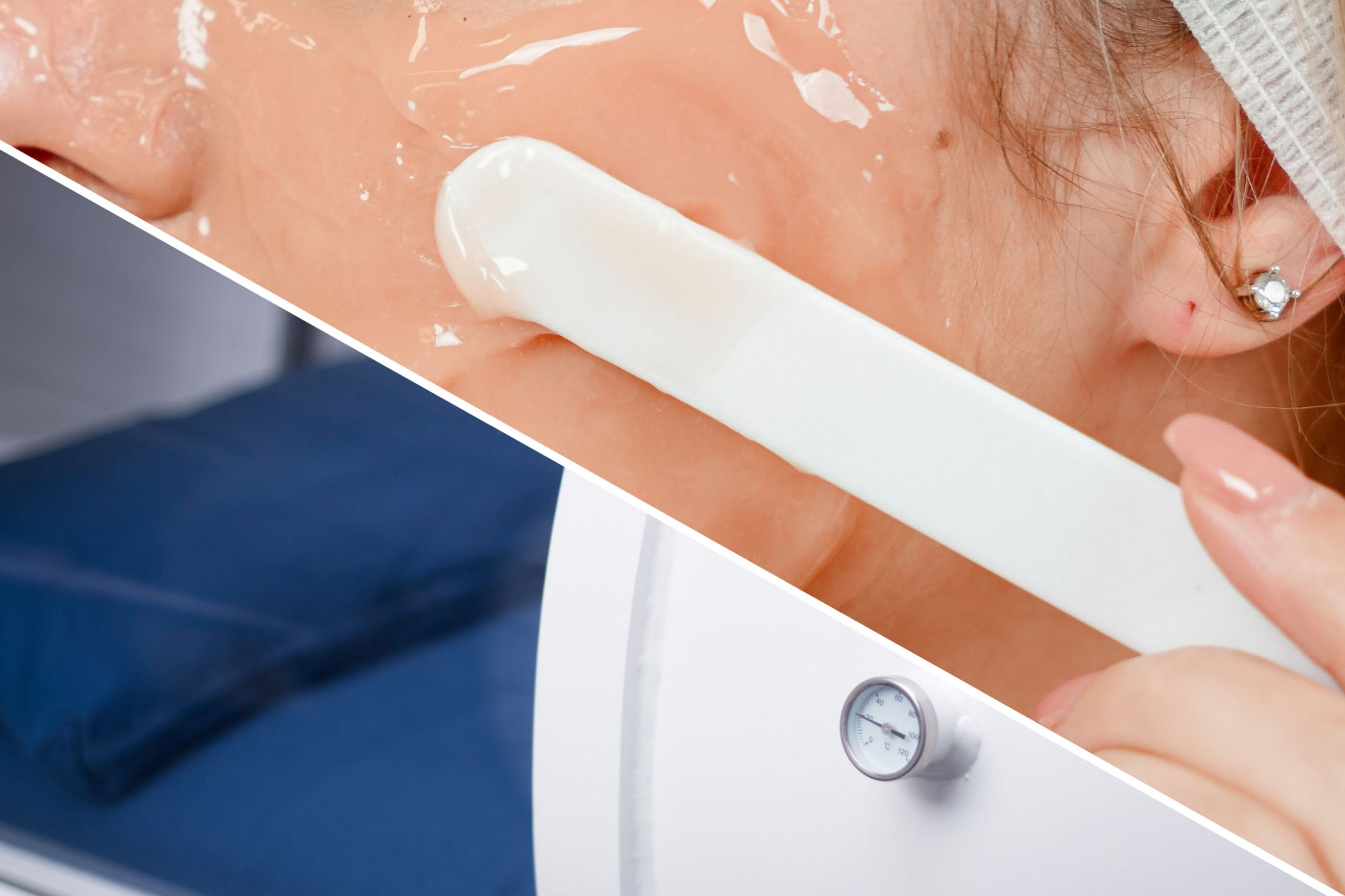
CO2Lift® uses a self-generating gel that produces CO₂ when its two components are mixed.
For me, this raises a useful question: when we think about skin health, are we giving enough attention to the tissue’s blood supply and oxygen delivery?
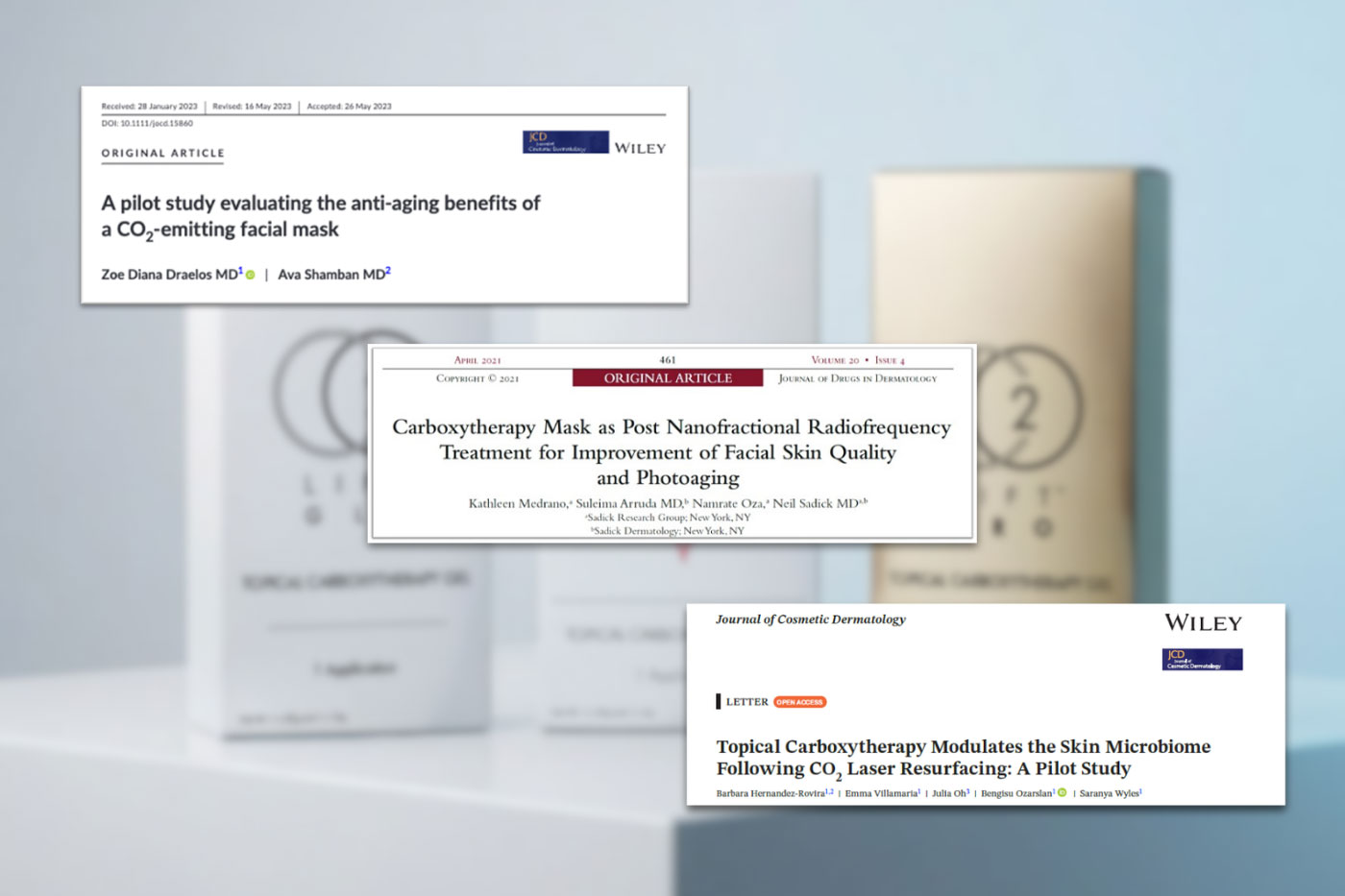
What has the CO2Lift® research shown?
In a small study of 10 people, published in Surgical Technology International in 2018, researchers evaluated CO2Lift® using microscopic imaging of the skin’s smallest blood vessels.
After five applications, they found increases in capillary diameter and density in the treated earlobe, with no corresponding changes in the untreated earlobe. These findings support its potential to improve local microcirculation, although larger studies are needed.
This is why the formulation and the research behind a product matter. We cannot assume every carbon dioxide facial or gel produces the same results.
As the founder of CO2Lift®, I have a personal and professional interest in this work. I want people to understand both why the technology interests me and what the studies actually show.
How I explain the difference
Think of your skin as a construction site. The workers need materials to do their jobs, and your tissues need oxygen.
Hyperbaric oxygen therapy is like bringing in trucks loaded with extra materials. It increases the amount of oxygen available in your blood.
Topical carboxytherapy, such as CO2Lift®, is more like the construction foreman helping get those materials unloaded where the work is happening. Through the Bohr effect, carbon dioxide encourages hemoglobin to release oxygen into the surrounding tissue.
CO2Lift® and hyperbaric oxygen therapy serve different functions, but both involve oxygen: hyperbaric therapy increases its availability in the blood, while CO2Lift® uses carbon dioxide to support its release into local tissue.

Why I want us to have this conversation
I care about how my skin looks. I also want to understand how to care for it as I get older.
Topical carboxytherapy opened up a different way for me to think about skincare: looking at local circulation and oxygen delivery alongside the things we can see in the mirror.
You don’t need to become a scientist to make informed choices. But you should be able to ask what a product does, how it works, and what evidence supports it.
That is the conversation I want to keep having.
Want to learn more? Explore CO2Lift® and the research behind topical carboxytherapy. Or find me on Instagram @thelanakerr and comment SKIN on my carboxytherapy video, and I’ll send you more information.